
All Images
Introduction: What is open science hardware?
Figure 1
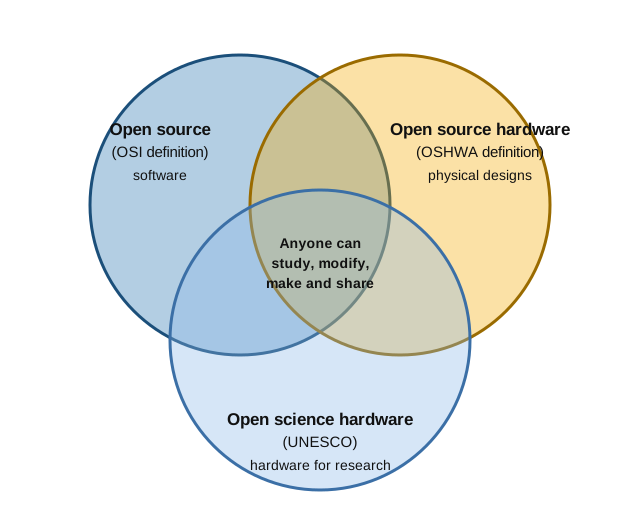
Venn diagram of three overlapping circles: the
OSI open source definition, the OSHWA open source hardware definition,
and UNESCO open science hardware. The overlap in the centre reads
“Anyone can study, modify, make and share”.
Figure 2
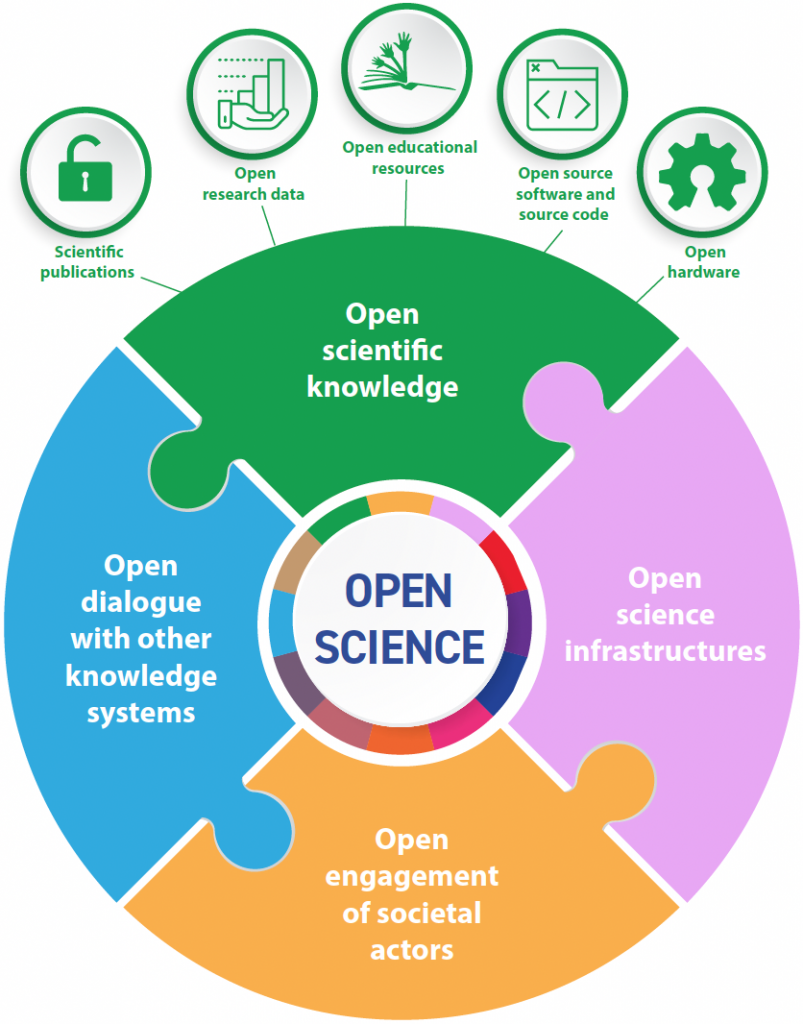
Domains of open science, including open
hardware, from the 2021 UNESCO Open Science Recommendation
Figure 3
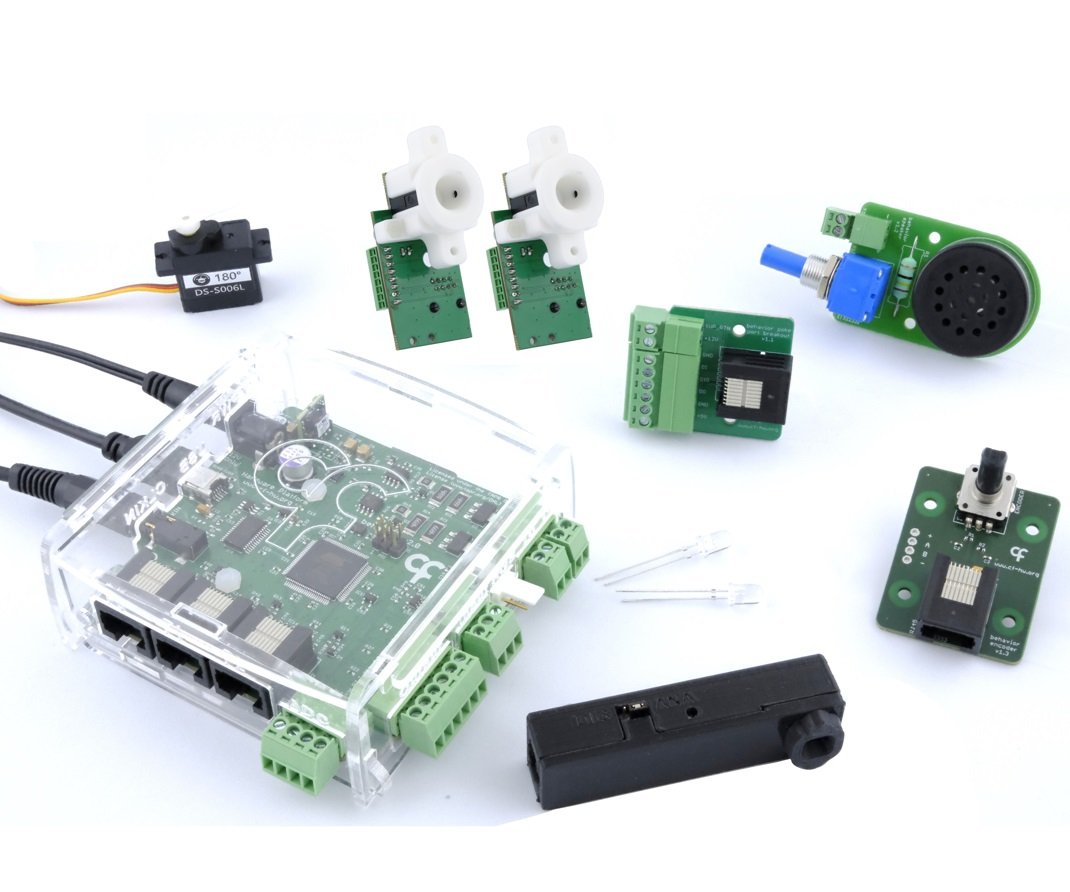
Open Ephys piece of equipment
Figure 4
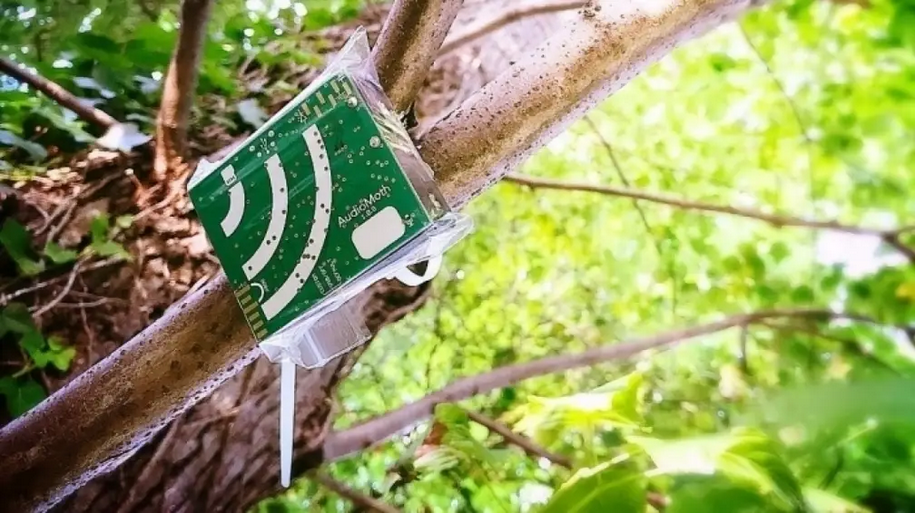
An Audiomoth in the wild
Figure 5
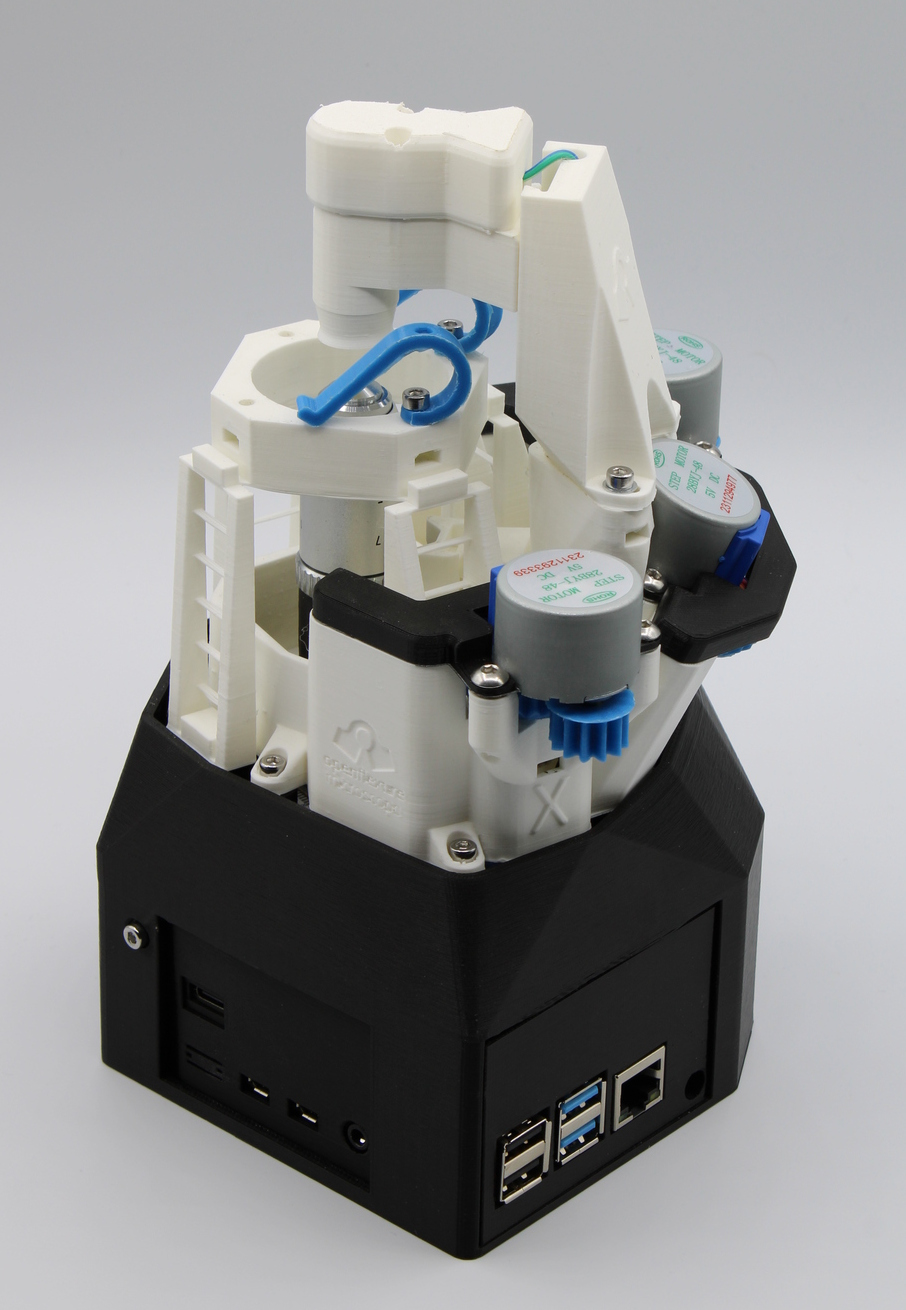
Latest version of the OpenFlexure
microscope
Lesson 2: How does open science hardware work?
Lesson 3: licenses and open science hardware
Figure 1
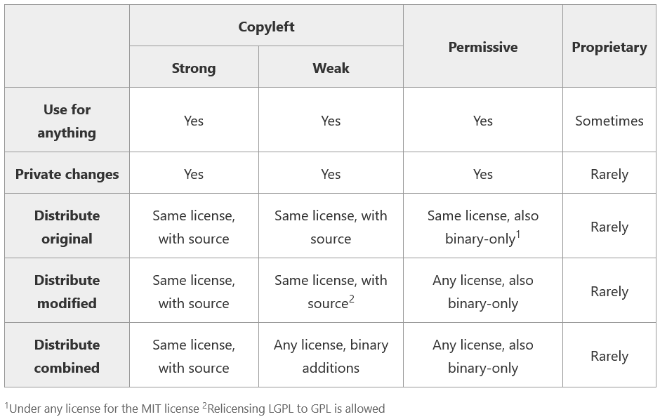
Permission overview for software licences, from
The Turing Way
Lesson 4: Open science hardware best practices
Figure 1
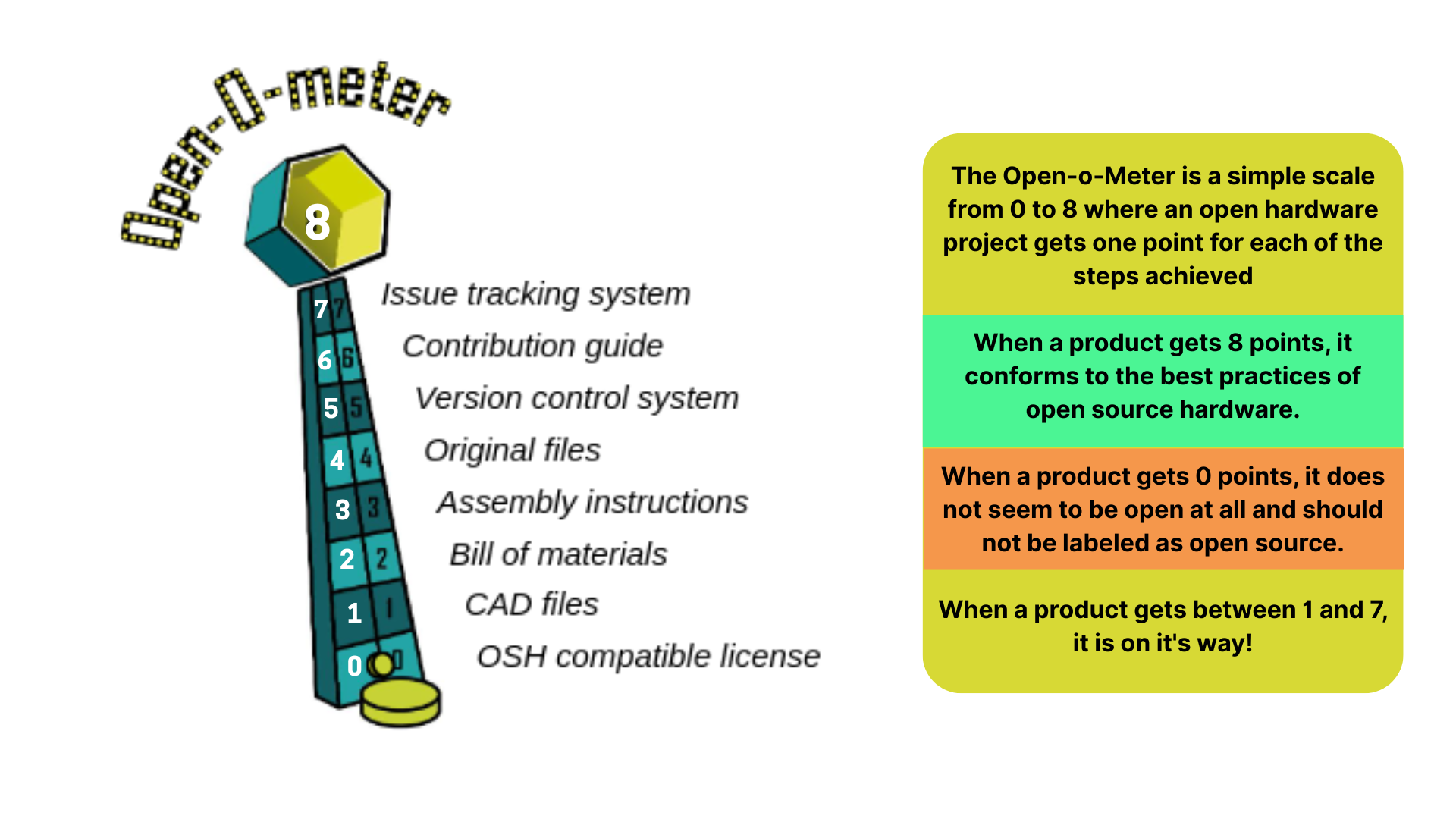
Source: Jérémy Bonvoisin and Robert Mies.
Measuring openness in open source hardware with the open-o-meter.
Procedia CIRP, 78:388–393, 2018.